
Mimosa Pudica
A botanical with traditional wellness use. Direct human evidence for bladder-control outcomes remains limited.
A focused ingredient-by-ingredient analysis of FemiCore’s four botanicals and five Lactobacillus probiotic species, including why each is included, what human research can reasonably support, and the important limitations shoppers should understand.
This page expands the ingredient section of our main FemiCore review. It does not treat ingredient research as proof of the finished product.
Research focus: FemiCore ingredients and evidence
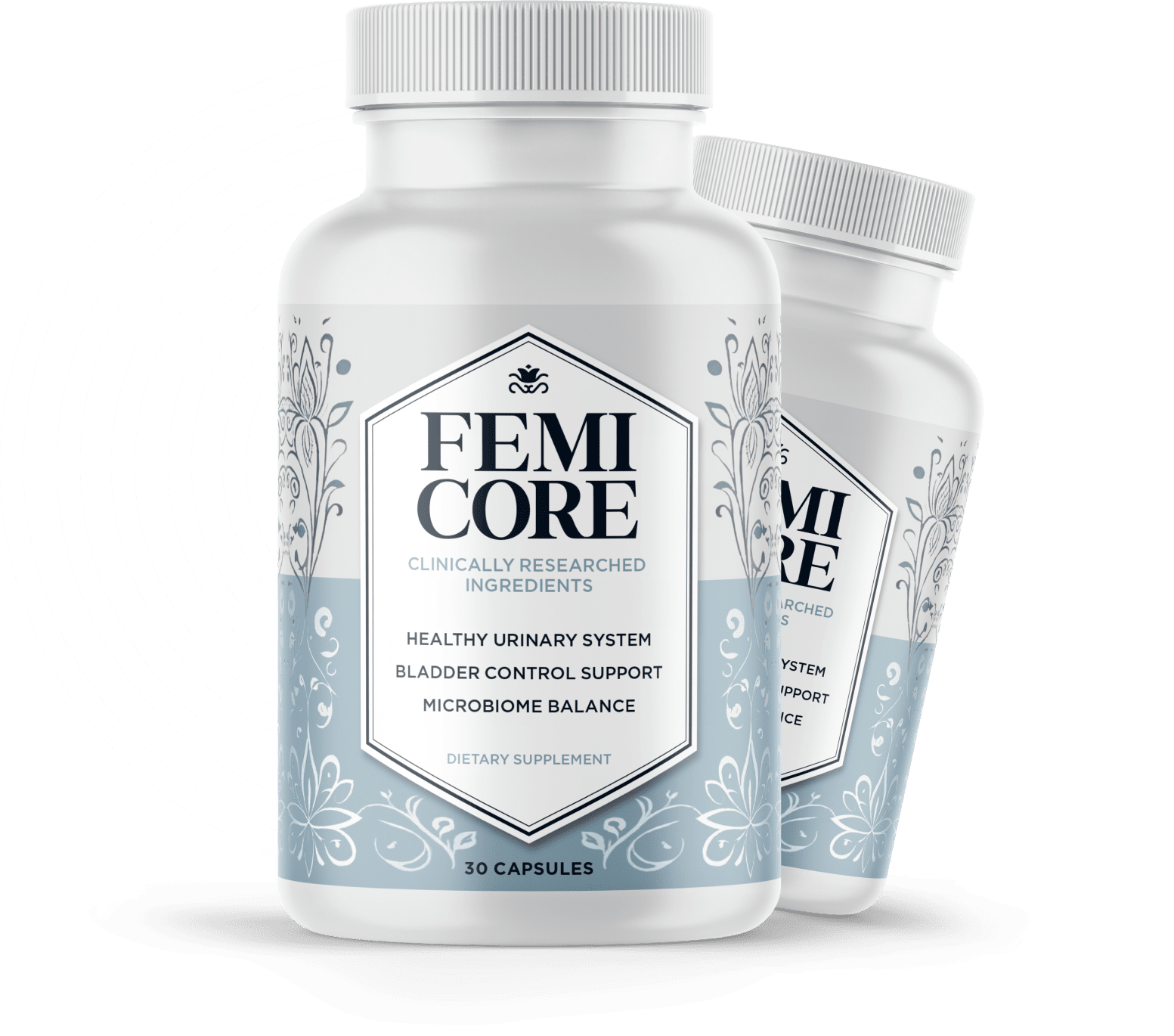
The manufacturer lists nine primary ingredients: Mimosa pudica, bearberry, cranberry extract, granular berberine, Lactobacillus crispatus, L. acidophilus, L. plantarum, L. gasseri and L. casei. The formula combines botanicals with probiotics rather than relying on a single bladder-support ingredient.
The biggest evidence limitation is straightforward: research on an individual ingredient or probiotic species does not automatically establish that the exact FemiCore blend produces a particular clinical result. Dose, strain, viability, formulation and study population all matter.
Below is the ingredient list presented in the current product materials. Exact evidence should be interpreted cautiously when precise ingredient amounts, probiotic strain identifiers or viability details are not fully disclosed in promotional material.
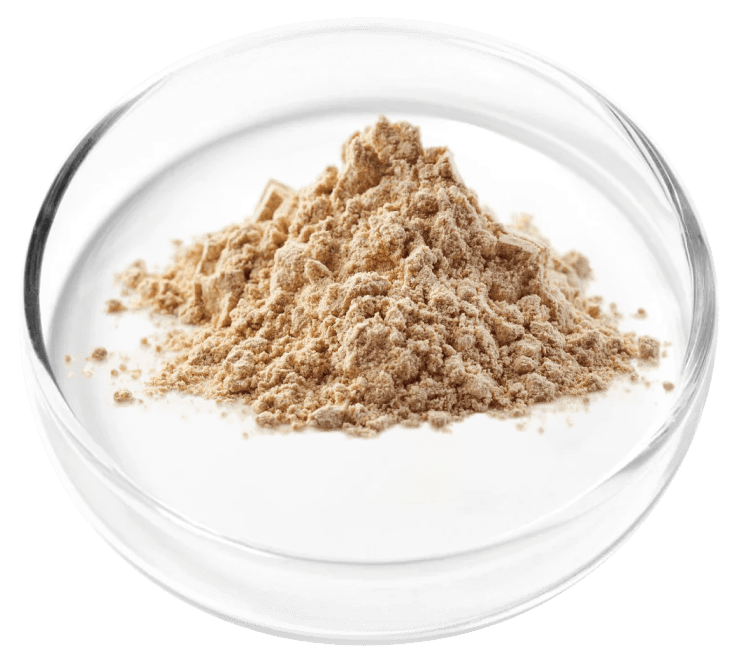
A botanical with traditional wellness use. Direct human evidence for bladder-control outcomes remains limited.
Also called uva ursi. It has a history of urinary-related traditional use, but safety and duration of use deserve attention.

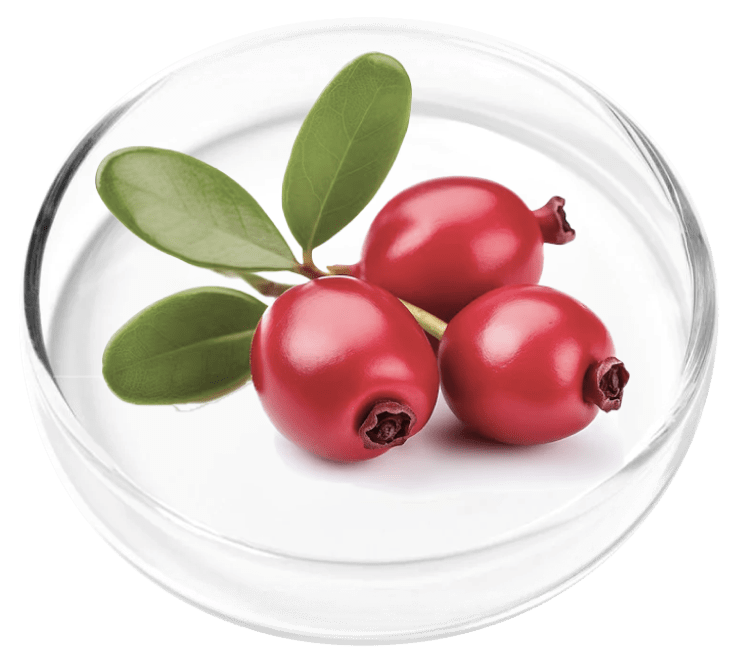
One of the better-known urinary-health ingredients, particularly in research concerning recurrent urinary infections; it is not a treatment for an active UTI.
A bioactive plant compound researched in several metabolic and antimicrobial contexts. Bladder-specific conclusions are much less established.

Especially relevant to research on Lactobacillus-dominant vaginal microbial environments, though effects remain strain- and context-specific.

A widely used probiotic species. General probiotic findings cannot automatically be transferred to every strain or commercial blend.

Studied across microbial and gastrointestinal contexts; direct conclusions about FemiCore or bladder control require product-specific evidence.

A species found in human microbiota and investigated in women’s health research, but its presence alone does not prove a clinical outcome.

A commonly researched probiotic species that adds diversity to the formula, without independently proving a bladder-control effect.
Why it may be included: botanical and traditional-use positioning. Evidence strength for bladder outcomes: limited. Key limitation: traditional or laboratory interest is not the same as strong human evidence for urinary leakage.
Why it may be included: historical urinary use. Evidence strength: limited and context-dependent. Key limitation: safety considerations and duration of use matter, so it should not be treated as an everyday ingredient for everyone.
Why it may be included: urinary-health research, especially recurrence-prevention contexts. Evidence strength: comparatively stronger than many supplement botanicals, although preparation, dose and population vary. Key limitation: cranberry does not diagnose or treat an active urinary infection.
Why it may be included: broad interest in antimicrobial and metabolic pathways. Evidence strength for FemiCore’s bladder positioning: indirect. Key limitation: medication interactions and tolerability are important considerations.
Why it may be included: its relevance to feminine microbial ecology. Evidence strength: scientifically relevant to vaginal microbiome research. Key limitation: probiotic effects depend on the exact strain, dose, viability and delivery method.
Why they may be included: probiotic diversity and microbiome-support positioning. Evidence strength: varies substantially by species, strain and endpoint. Key limitation: species names alone cannot establish the effect of the finished FemiCore formula.
Mimosa pudica, bearberry, cranberry and berberine provide the plant-based portion of the formula. Their research profiles are not equally strong or equally specific to urinary wellness.
The five Lactobacillus species connect the formula to microbiome research. The scientific relevance is interesting, but product-specific outcomes still depend on strain, dose and formulation details.
Ingredient names are useful, but evaluating a supplement also requires amounts, standardized extracts where relevant, probiotic strain identifiers and viable counts. When promotional material does not provide all of those details, evidence matching becomes less precise.
This does not prove that a formula is ineffective. It simply limits how confidently research performed at specific doses or with specific strains can be applied to the commercial product.
Natural ingredients and probiotics can still cause unwanted effects. Digestive changes may occur with probiotics, while botanicals such as bearberry and berberine deserve additional attention because suitability can vary with medications and health conditions.
For the dedicated safety analysis, read our FemiCore side effects, risks and interactions guide →
No single ingredient study can answer that question. A finished formula can differ from research preparations in dose, strain, ingredient combination and study population. The appropriate next step is to evaluate the product-level claims separately from the ingredient list.
Read our complete “Does FemiCore Really Work?” evidence analysis →
The current manufacturer materials list nine primary ingredients: four botanicals and five Lactobacillus probiotic species.
Yes. Cranberry extract is one of the listed botanical ingredients.
The listed species are Lactobacillus crispatus, L. acidophilus, L. plantarum, L. gasseri and L. casei.
Some individual ingredients or probiotic species have been researched in relevant health contexts, but that is different from proving the exact finished FemiCore formulation.
No supplement should be assumed safe for everyone. Individual health conditions, pregnancy, immune status and medications can change the risk profile.
The formula’s most interesting feature is its combination of urinary-health botanicals with multiple Lactobacillus species. Cranberry and feminine-microbiome research provide some scientific rationale for parts of the concept, but evidence strength differs ingredient by ingredient and should not be stretched into proof of the finished supplement.